
Briquetting Machines
Briquetting machines are key equipment in the waste-processing industry, enabling sawdust, straw, agro-biomass and other loose materials to be transformed into compact, eco-friendly briquettes – ready for use as fuel or secondary raw material. At Comerc, we offer solutions tailored to any production scale, combining innovation with reliability.
Why is a briquetting machine an investment in the future?
• reduced storage costs – briquettes take up to 6× less space than loose material
• eco-friendly and economical – no chemical binders, fully compliant with EU regulations
• versatility – machines adapted to various materials, from wood waste to agro-biomass
• automation – modern HMI control systems and integration with production lines (dryers, shredders, packaging systems)
How to choose the ideal briquetting machine?
The decision depends on the type of raw material, production scale and desired briquette shape. At Comerc, we support our clients by offering:
• free technological audits – we analyse your material and production needs
• sample testing – we verify machine performance using your own waste material
• complete service – from line design to operator training
Briquetting Machines
Hydraulic briquetting presses for sawdust and straw
Hydraulic briquetting presses are the key components of production lines used for forming biomass into briquettes. Their role is to compress pre-processed material into blocks, cylinders or Pini-Kay shapes. Many models exist on the market, varying in power and mechanical design. Presses work alongside dryers, shredders, bucket elevators and other equipment that together form a complete briquetting line.
Hydraulic briquetting presses use high-pressure hydraulic fluid to compact material. This makes them highly efficient and reliable. Our hydraulic presses are energy-efficient, user-friendly and heavily automated, making them an ideal solution for companies seeking effective and environmentally friendly production.
How does a briquetting machine work?
Briquetting machines are mainly used to produce eco-friendly fuel from wood waste. Sawdust presses are the most common, but machines can also process straw, fruit waste and other biodegradable materials. The principle is simple: high pressure compacts loose biomass into dense, cohesive briquettes.
Hydraulic presses use hydraulic force, while mechanical presses rely on an electric-motor-driven ram. Both compress material in a chamber, forming it into blocks (more rarely cylinders, octagons or custom shapes). The finished briquette is then discharged and conveyed to the packaging section.
Modern briquetting machines are highly reliable, energy-efficient, heavily automated and easy to operate. Their output depends not only on technical parameters but also on material properties. For maximum efficiency and lowest operating cost, a complete automated briquetting line is recommended. Our experts design and deliver turnkey systems tailored to each client.
BISON BE Series Briquetting Presses
BISON BE briquetting presses are high-quality machines for compacting various types of biomass. They offer outstanding durability, low failure rate and low energy consumption while maintaining high output. Equipped with advanced and intuitive control systems, BISON presses are fast, efficient and available in multiple configurations to match different production needs.
| Model / Type | BISON BE 720 – 500/550/600 |
|---|---|
| Output | 500/550/600 kg/h |
| Briquette size | 150×60×80–100 mm |
| Main motor power | 30/30/37 kW |
| Dimensions | 2.0×2.0×2.0 / 1.8×2.3×2.3 / 1.8×2.3×2.3 m |
| Weight | 3800/3600/4200 kg |
| Power supply | 400V, 50Hz, 3Ph |
Sawdust Briquetting Machines
Sawdust briquetting machines operate similarly to pellet mills, transforming wood waste into clean, renewable fuel. The material is compacted under high pressure into blocks or cylinders. Machine efficiency depends on factors such as material quality, moisture level and machine specifications.
Straw Briquetting Machines
Straw briquetting machines convert agricultural waste into valuable fuel. They operate on the same principle as sawdust presses but are engineered to handle fibrous agricultural biomass. Their output and performance depend on model specifications, making proper selection essential for efficient operation.
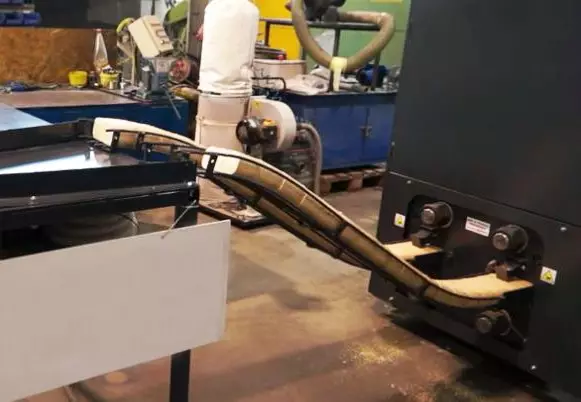
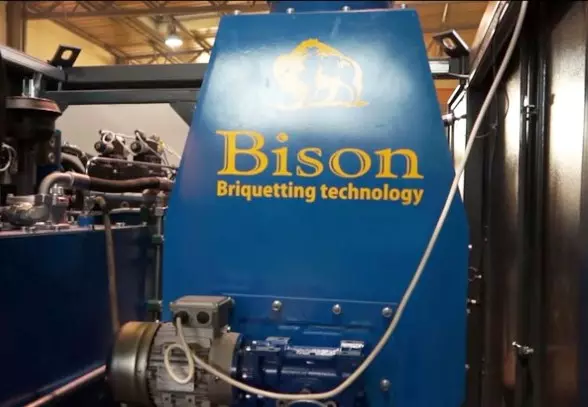
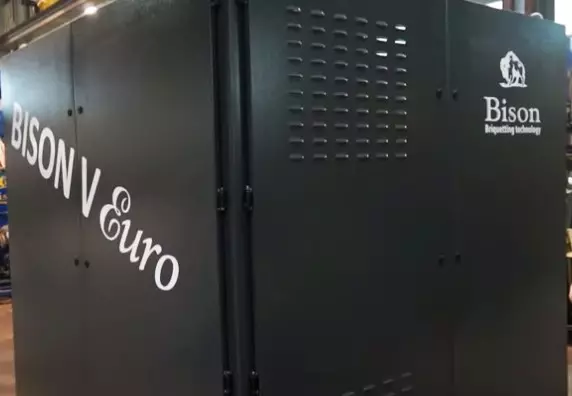
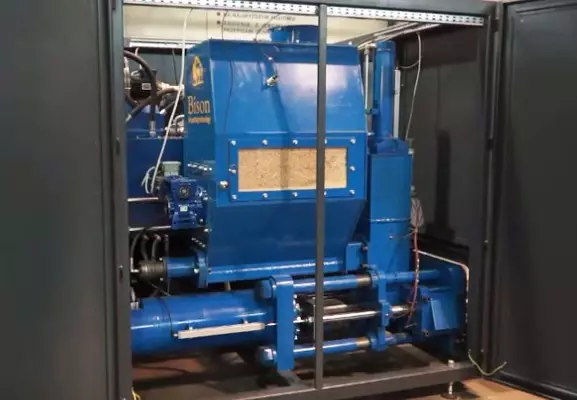
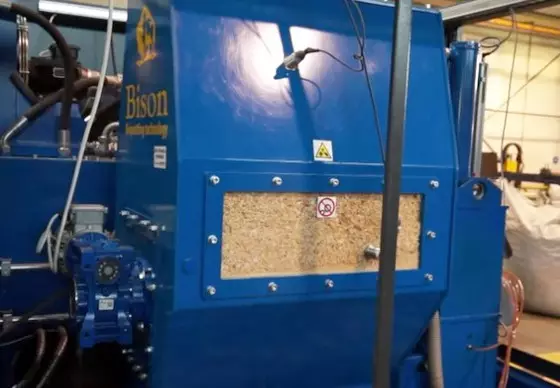
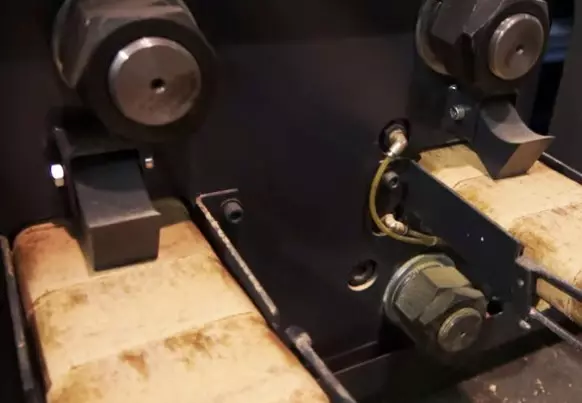
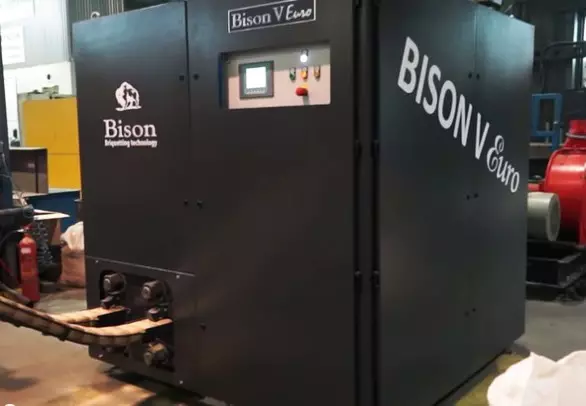
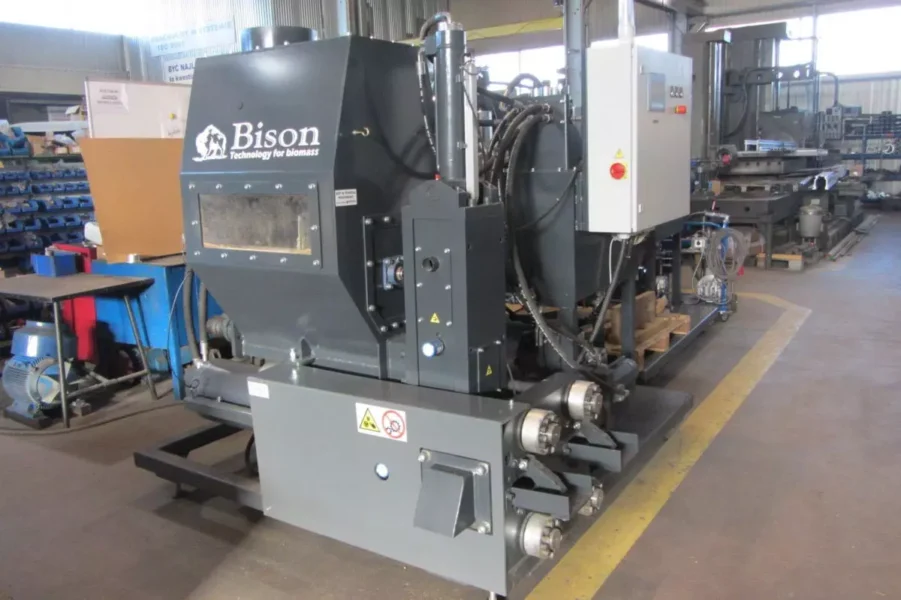
Briquetting Machines
Di Più Systems
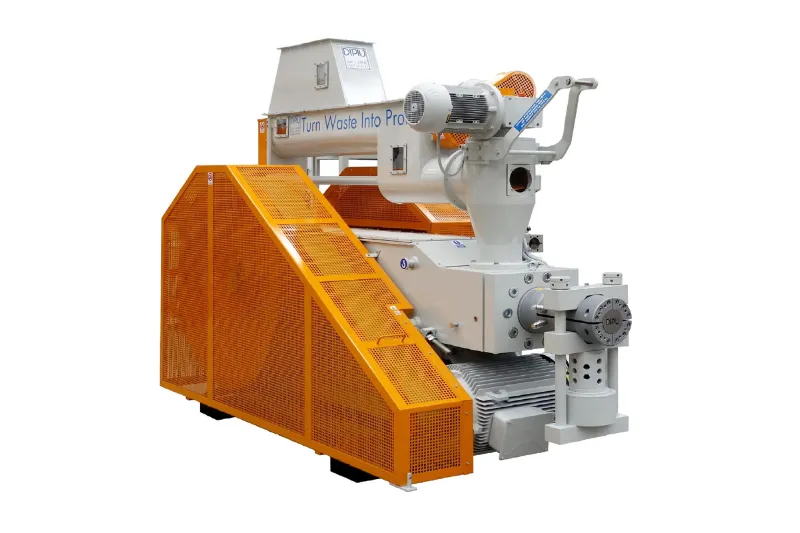
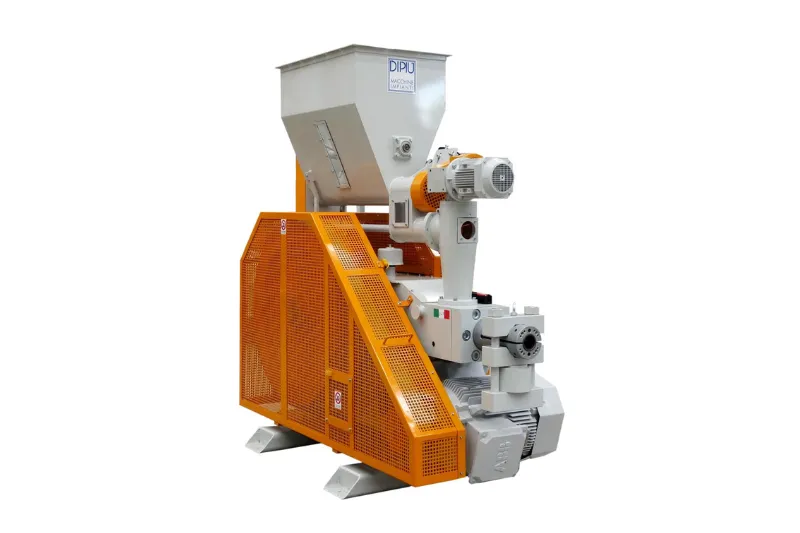
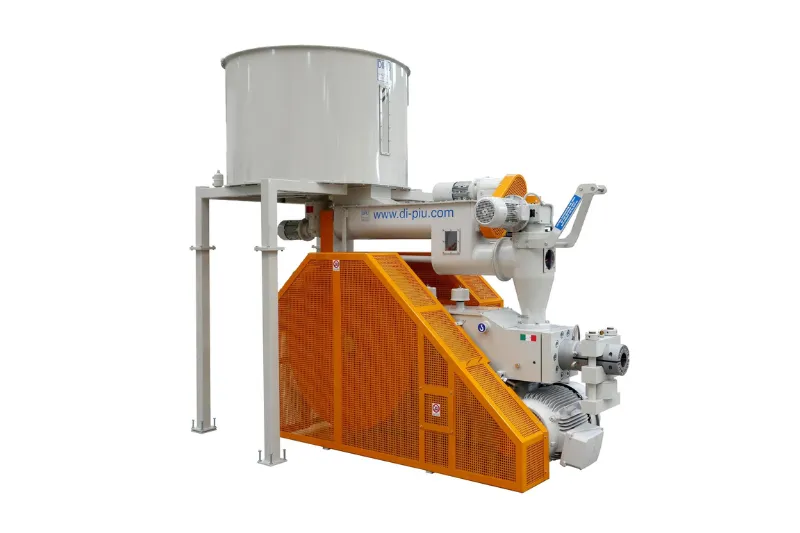
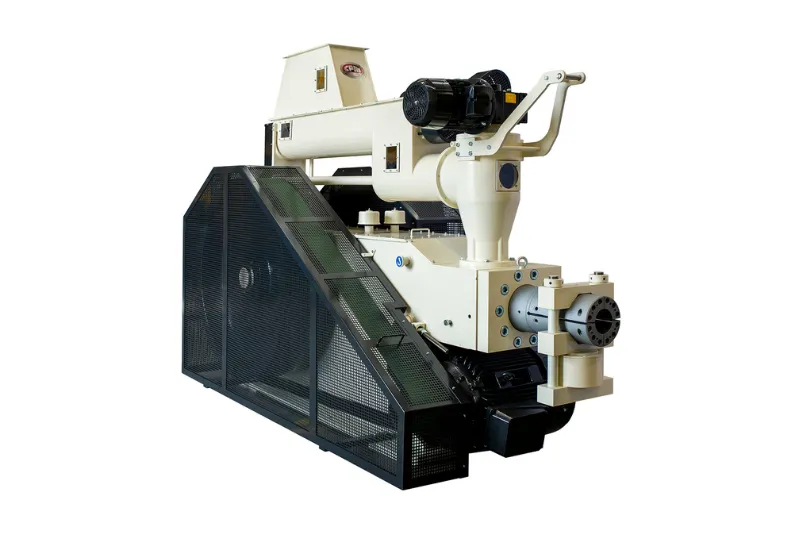
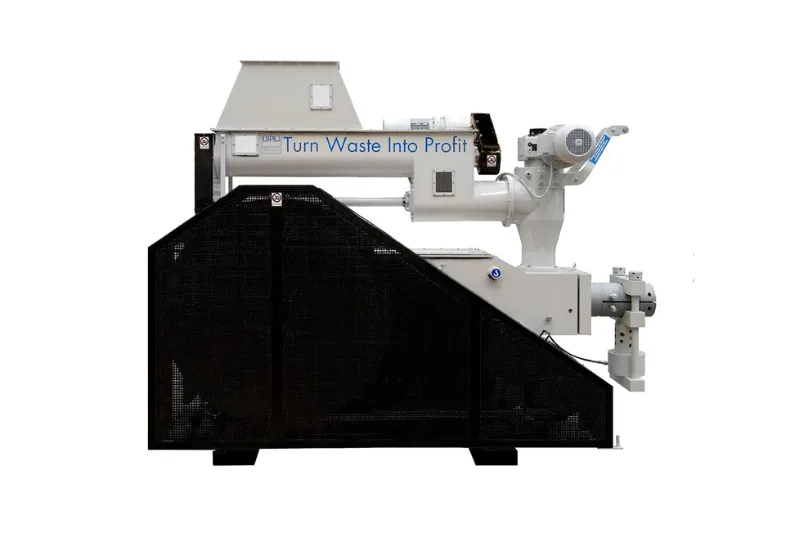
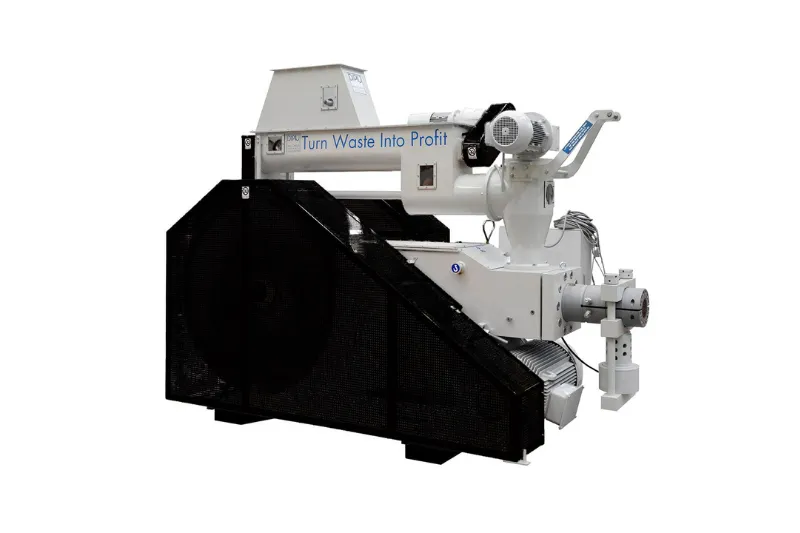
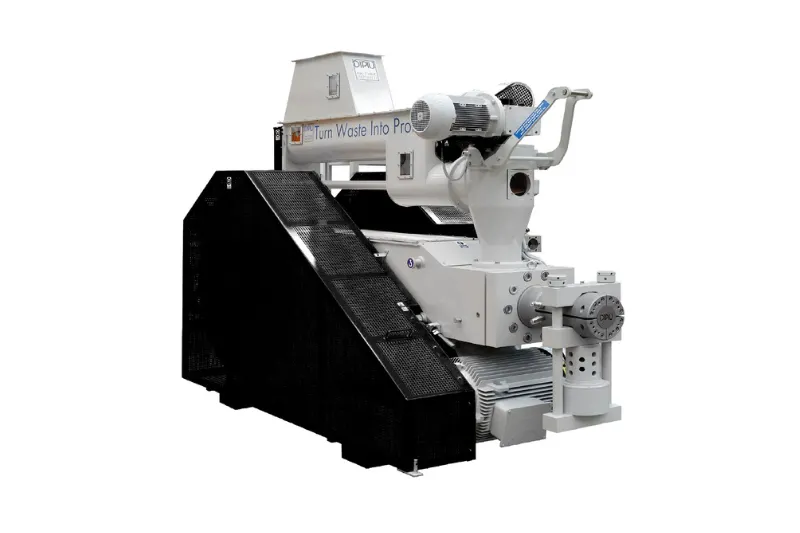
Mechanical (piston-type) briquetting presses from Di Più Systems are a flagship solution for companies requiring high-efficiency conversion of wood waste, biomass and fibrous materials. Using unique mechanical compression technology – exceeding 2000 kg/cm² – they turn raw materials into dense, durable briquettes without additives, binders or chemicals.
How Di Più briquetters work?
BRIK-series machines use mechanical screw-piston compaction that:
• reduces waste volume by up to 90%
• produces three briquette shapes (round, round with hole, square)
• allows briquette length adjustment for optimal transport and packaging
Key advantages
• extremely low operating cost – up to 30% lower energy consumption than competing systems
• 24/7 industrial-grade construction – tool-steel shafts, industrial bearings, oil-cooling systems
• material flexibility – process sawdust, straw, coffee waste, nut shells and even plastics
• modularity – easy integration with shredders, screw conveyors and packaging systems
Where Di Più presses are used?
• wood-processing plants (sawmills, furniture factories)
• agro-industry (straw, stems, seeds processing)
• municipal and industrial waste-management facilities
What makes Di Più different?
• technology proven in over 50 countries
• CNC-machined certified components, precision supported by 3D CAD design
• complete turnkey lines – from shredding to palletizing, including pneumatic transport and shrink-wrap packaging
• backed by CPM Holdings – a global leader in industrial processing technologies
Why Comerc?
20 Years of industrial automation expertise
20 Years of industrial automation expertise
proven technology used in 50+ countries
CNC-certified components
precision supported by advanced 3D CAD engineering
energy efficiency
up to 30% lower energy consumption than competing systems