
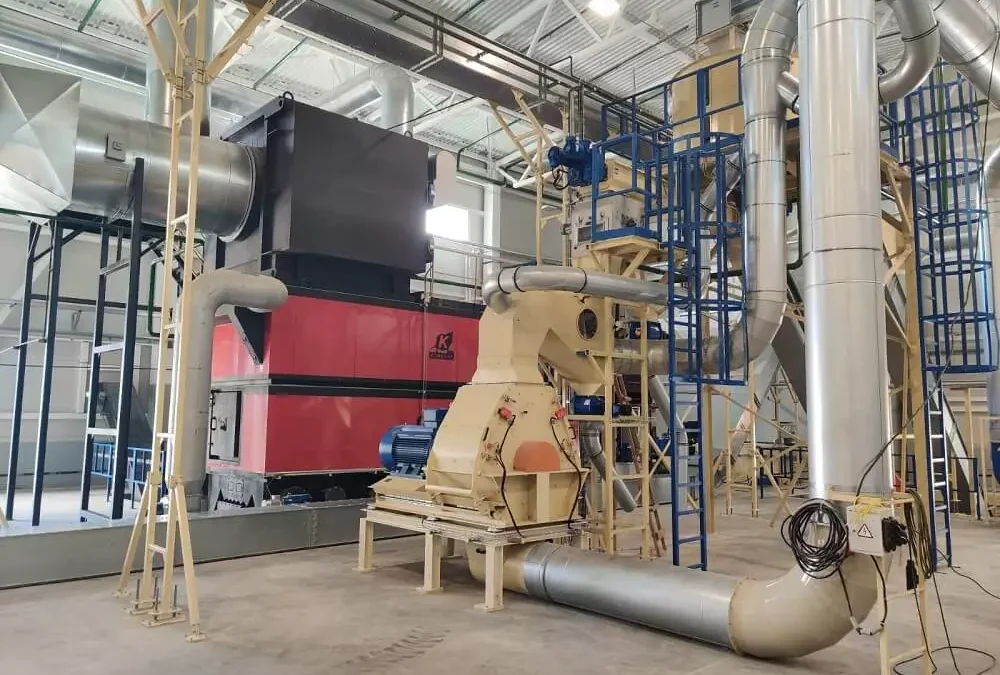
Wood pellets are an ecological and efficient fuel that is gaining increasing popularity as an alternative to traditional energy sources. However, their production requires strict adherence to specific parameters that affect the quality, efficiency, and safety of use. Monitoring these parameters is crucial for both producers and users who want to be certain they are using a product that meets the highest standards. Modern pellet production lines are available in the offer of the Comerc company. Let’s take a closer look at this.
The Key to Efficient Combustion
One of the most important parameters of wood pellets is their moisture content. The optimal moisture level for pellets should be below 10%, which guarantees efficient combustion and minimizes the emission of harmful substances into the atmosphere. Too high moisture content leads to a decrease in its calorific value, an increase in the amount of ash, and problems with feeding the fuel into the boiler. Therefore, wood pellet producers must strictly control the raw material drying process and its storage conditions to ensure the appropriate moisture content of the final product.
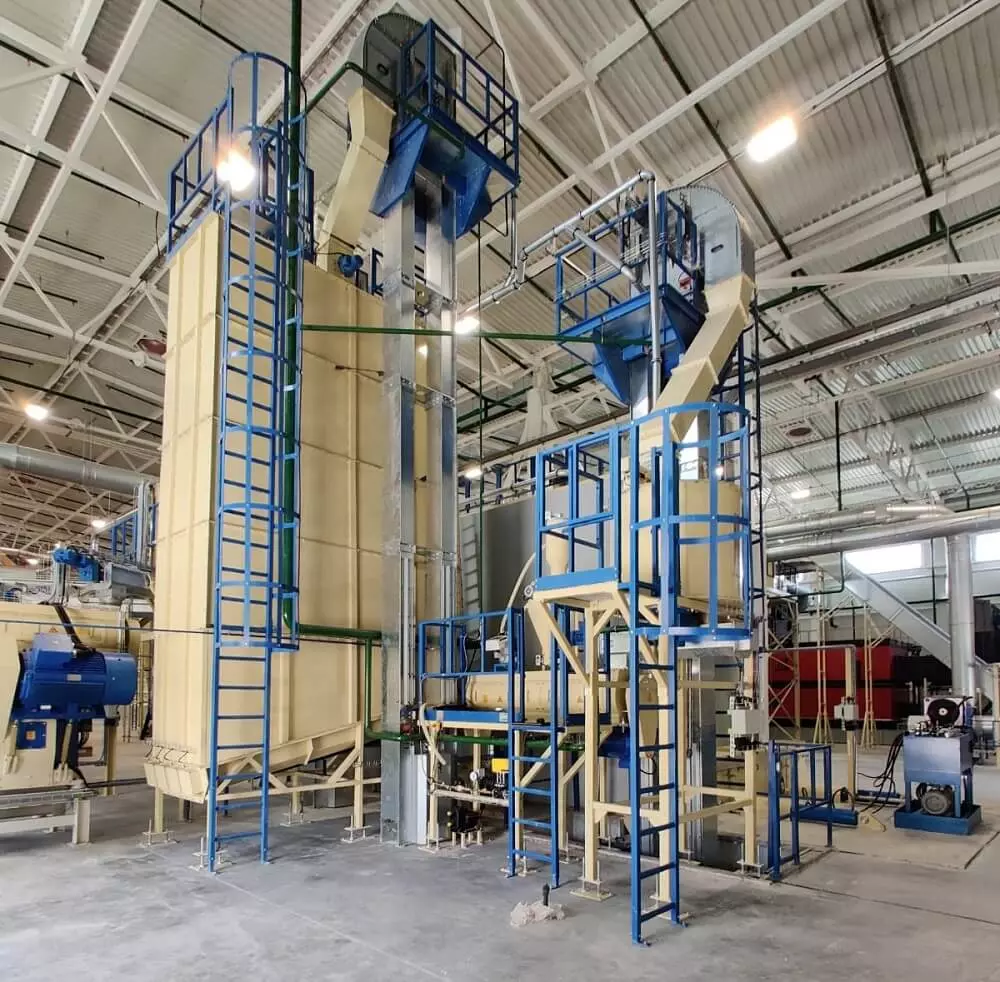
Impact on Combustion Cleanliness
Another significant parameter of wood pellets is the ash content, which should be as low as possible. Ash generated during the combustion of pellets can contaminate the boiler, reduce its efficiency, and lead to technical problems. Therefore, producers strive to obtain pellets with an ash content below 0.7%, which guarantees clean and efficient combustion. The ash content depends primarily on the quality of the raw material used for pellet production and on its processing stage.
Resistance to Damage
Wood pellets should also be characterized by appropriate mechanical strength, which ensures their resistance to damage during transport, storage, and feeding into the boiler. Pellets that are too brittle can easily crumble, leading to the formation of dust that contaminates the boiler and reduces its efficiency. Therefore, wood pellet producers use special pressing technologies that ensure the proper hardness and durability of the final product. The mechanical strength of pellets is determined using a durability test, which simulates the conditions to which the pellets are subjected during transport and use.