
Machines
Industrial briquetting machines for sawdust, straw and wood waste
Turn production waste into eco-friendly fuel and real profit.
At Comerc, we deliver modern, efficient, and reliable briquetting machines that allow you to effectively process sawdust, wood chips, straw, agro-biomass, and metal shavings. Regardless of your production scale, we offer machinery tailored exactly to your technological requirements
What are briquetting machines and how do they work?
Why invest in an industrial briquetting machine?
-
reduced storage costs – briquettes take up to 6 times less space than loose raw materials.
-
sustainability and savings – zero chemical binders, production fully compliant with EU standards.
-
versatility – machines adapted for various materials, from wood waste to agro-biomass.
-
automation – modern HMI control systems and integration with the production line (dryers, shredders, packaging systems).
Types of briquetting machines and briquetting presses
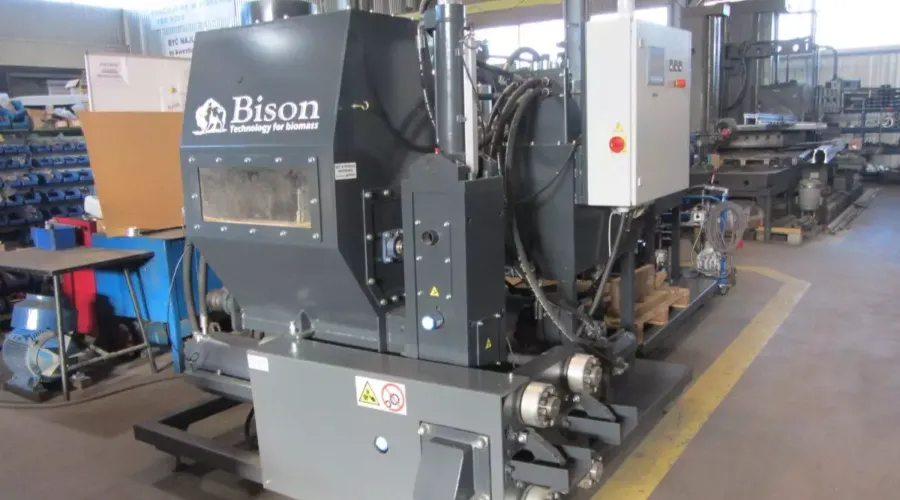
Briquetting machines
Hydraulic briquetting machines
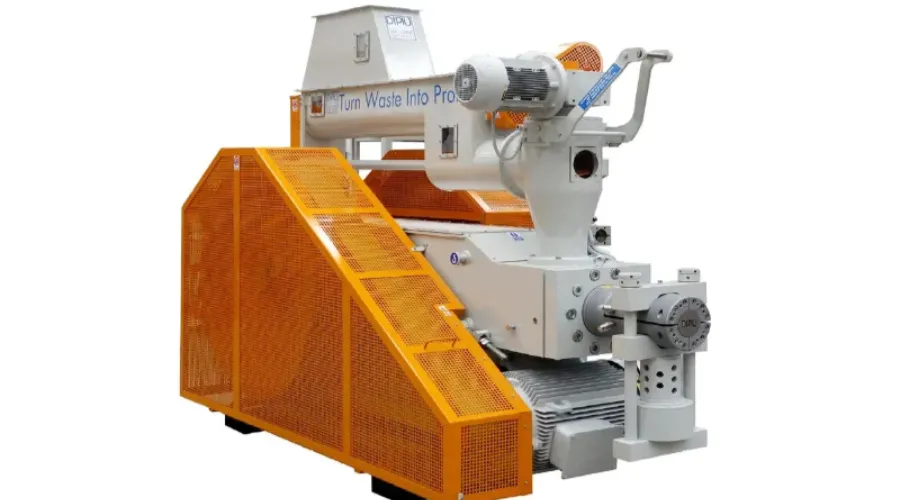
Briquetting machines
Mechanical briquetting machines
| Machine type | Processed material | Application | Industry |
|---|---|---|---|
| Wood waste briquetting machine | sawdust, wood chips, dust, and other wood waste | production of high-quality briquettes, comprehensive waste processing | woodworking industry, furniture manufacturing, sawmills |
| Metal chip briquetting machine | steel, aluminum, and cast iron chips | volume reduction and metal recovery | metalworking industry |
| Straw briquetting machine | plant biomass (straw, hay) | production of eco-friendly fuel | agriculture, energy sector |
How do briquetting presses work and where are they used?
A briquetting press (briquetting machine) is a key component of the briquette production line, responsible for compacting loose materials and forming them into solid briquettes of a precisely defined shape and density. This process relies on mechanical or hydraulic pressing, during which the raw material is subjected to extreme pressure, reaching up to 2500–3000 bar. Such intense action causes the particles to bond naturally without the need for additional binders, ensuring the durability and stability of the finished briquettes.
The design of the press depends on its type. In piston models, the cylinder and piston play a crucial role, whereas screw presses utilize a rotating auger. Ultimately, the raw material enters the pressing chamber, where it is compressed into the required shape and density. In modern briquetting machines, this process is supported by automatic material feeding systems and PLC controls that monitor operating parameters, ensuring production repeatability and operational safety.
Briquetting presses are utilized across multiple industrial sectors – from the woodworking (presses for briquetting wood waste such as sawdust or wood chips) and furniture industries, through metal recycling, to wastewater treatment plants. They enable the efficient processing of various waste materials, transforming them into compact briquettes that are easy to transport and store. Additionally, process automation significantly increases production efficiency and minimizes the risk of operator error.
Benefits of briquetting machines for waste processing and briquette production
Reducing waste volume by up to 70–90% is one of the key advantages of briquetting machines, directly translating into significant savings. By decreasing the weight and size of materials, companies can substantially lower their transport and storage costs. Optimal utilization of warehouse space and a reduced number of shipments are tangible benefits that improve overall operational efficiency.
Briquetting machines also open up a new revenue stream – the sale of briquettes as an eco-friendly fuel or secondary raw material. The produced material features a high calorific value of 16–19 MJ/kg, low moisture content below 10%, and an ash content of less than 1.5%, making it a highly attractive product on the energy biomass market. As a result, companies not only reduce their waste disposal costs but also boost their profits.
How to choose the right briquetting machine for your material
The decision depends on the type of raw material, production scale, and the final form of the briquette. At Comerc, we help you choose the optimal solution through:
- free technical audits – we analyze your material and specific needs.
- sample testing – we verify the machine’s performance using your waste.
- comprehensive support – from production line design to operator training.
| Raw material type | Recommended machine type | Moisture content (%) | Approximate capacity (kg/h) |
|---|---|---|---|
| Sawdust, wood chips | piston, hydraulic | 8-12 | 100 – 3000 |
| Straw, biomass | screw, rotary | 10-15 | 100 – 2000 |
| Metal chips | hydraulic | N/A | 200 – 2000 |
Briquetting machines – frequently asked questions
What materials can be processed with briquetting machines?
What is the optimal moisture content for briquetting?
What are the main types of briquetting machines?
What is the typical capacity of an industrial briquetting machine?
Are you looking for a briquetting machine customized to your production requirements?
Contact our technical advisors – we will analyze your raw material, select the right capacity, and prepare a quote tailored to your budget.
Why Comerc?
20 years of innovation for green energy
After-sales and maintenance support, assistance in securing financing, staff training, and warranty and post-warranty service for all our machines and equipment.
We use technologies with the lowest electrical and thermal energy consumption on the market per ton of finished product.