
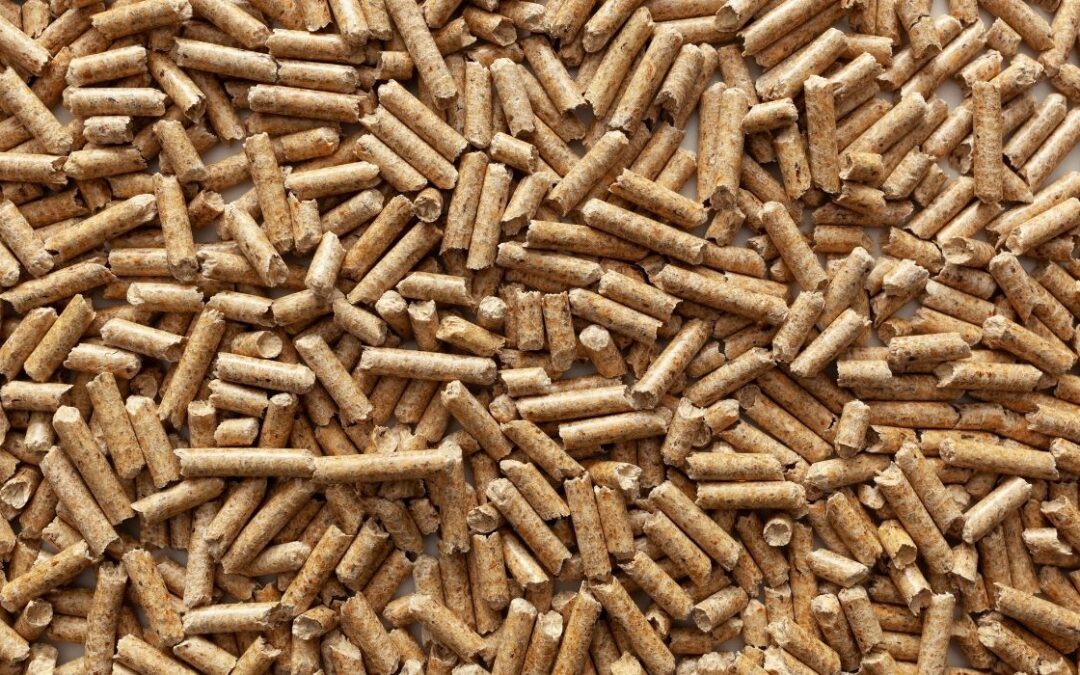
Nowadays, the production of biofuels, such as pellets or briquettes, requires precise control of many parameters, including the moisture content of the raw material. To achieve optimal product properties, it is worth using modern moisture stabilization systems that optimize the manufacturing process. In the article below, we present how these systems work and what benefits they bring to the granulation process.
The Importance of Moisture Stabilization Systems in Biofuel Production
Moisture stabilization systems play a key role in the granulation and production of biofuels such as pellets or briquettes. Thanks to them, it is possible to maintain the optimal moisture level of the input raw material, which affects the uniformity of the product’s shape and dimensions, its mechanical strength, and its energy density.
Too low moisture can lead to poor fuel cohesion and increased energy consumption during granulation, while too high moisture can lower the calorific value or generate a larger amount of ash. Therefore, the proper calibration of moisture stabilization systems is essential for obtaining high-quality biofuel.
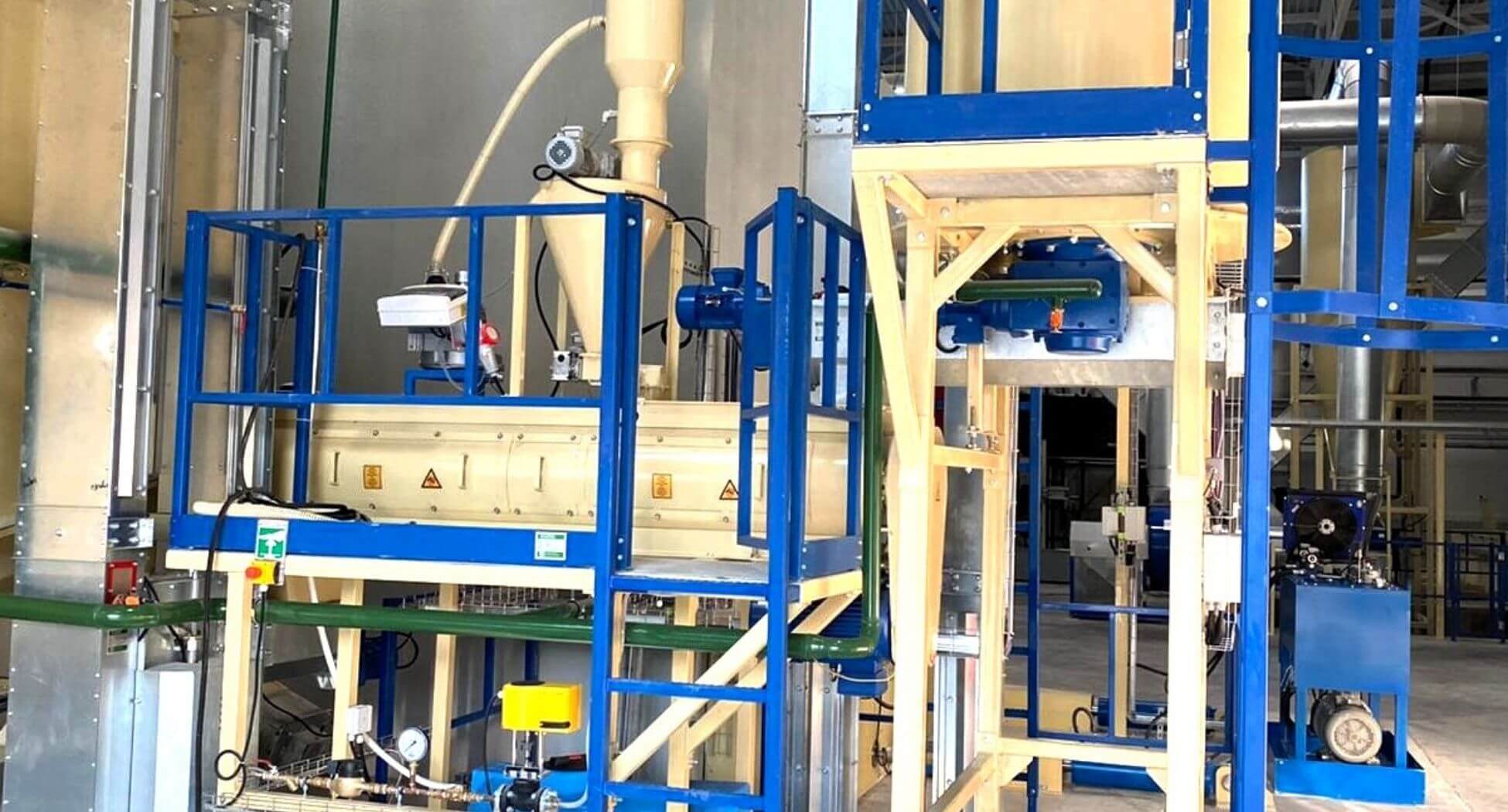
Operation of Moisture Stabilization Systems
The moisture control process in stabilization systems begins as early as the raw material drying stage and continues through subsequent production phases. The system monitors changes in moisture levels using sensors and controllers, and then processes this data through advanced control systems.
This allows for the precise adjustment of multiple process parameters, such as temperature, exposure time, or the flow rate of the raw material. If a deviation from optimal values is detected, the system automatically introduces corrections—for example, by changing the settings of the drying equipment or the water dosing devices.
Raw Material Conditioning Technologies in Moisture Stabilization Systems
In addition to monitoring and regulating moisture levels, moisture stabilization systems also utilize raw material conditioning technologies. One such solution is the addition of binding agents, which allow for a homogeneous fuel mass and optimal product quality parameters. By using such technologies, biofuel producers can achieve high quality in their products.