
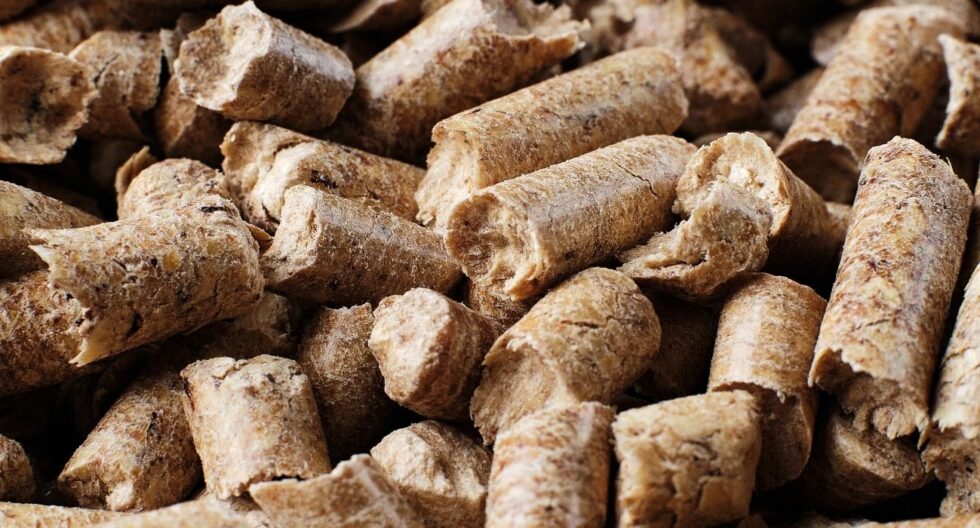
Wood pellet is a popular energy source used for heating homes and commercial buildings. It is valued for its availability, high calorific value, relatively low price, and ease of use. Ecological considerations are also significant. As a material made from wood biomass, wood pellet is considered a solid biofuel. However, it’s important to remember that the higher the quality of the pellet, the more satisfactory the results. Pellet manufacturers geared toward industrial production, using professional pellet production lines, often put their products through a special certification process to ensure they meet the requirements of current standards.
What standards are used for pellet certification?
Pellet is most often certified to confirm that its parameters comply with the EN 14961-2 standard (“Solid biofuels. Fuel specifications and classes”). This standard includes detailed characteristics for specific classes:
- Class A1: Includes pellets for boilers, stoves, burners, and fireplaces.
- Class A2: Intended for high-power heating devices.
- Class B: Known as industrial pellet.
Popular certification systems include DIN Plus, created by DIN CERTCO (German Certification Institute), and ENplus, developed by the European Pellet Associations (EPA).
Why pellet certification matters
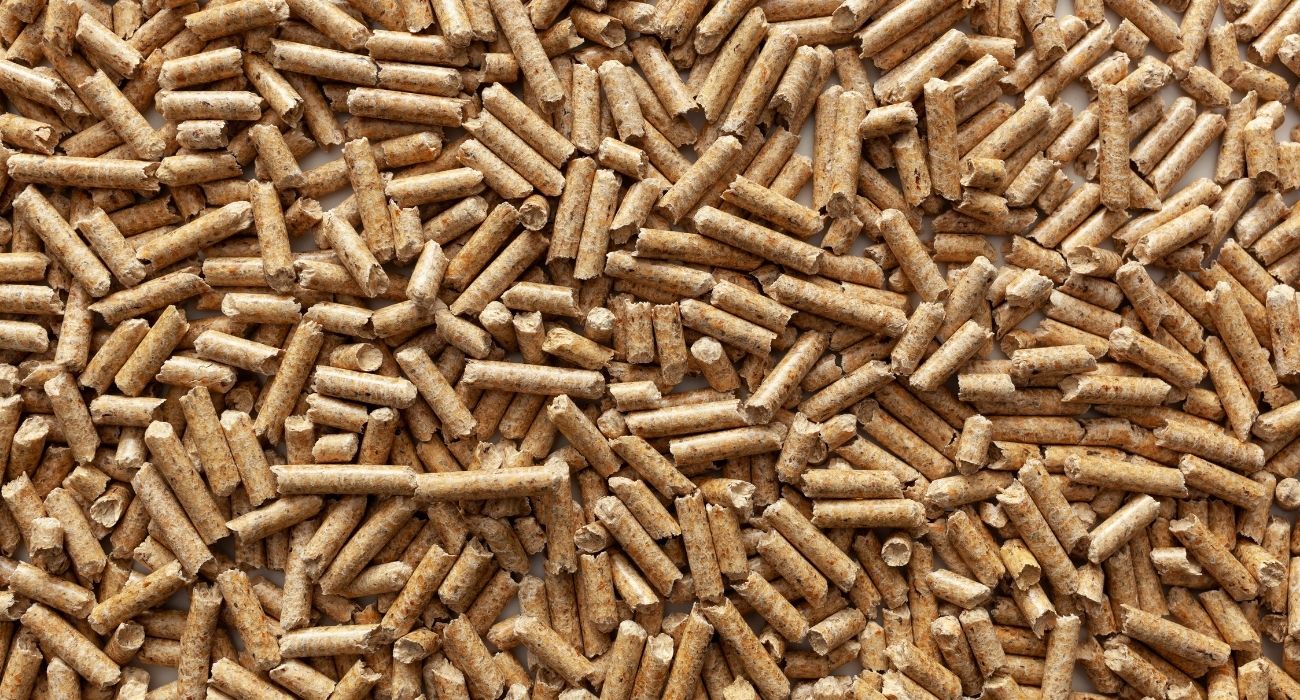
Heating equipment manufacturers design their boilers to achieve high energy efficiency and meet air quality standards when using fuel with standardized parameters. However, pellet buyers have no way of assessing the quality of the fuel they purchase on their own. Using a product that does not meet quality specifications results not only in a lower energy yield per fuel unit but can also cause burner damage or become troublesome due to the increased amount of ash produced. Product certification ensures that the fuel is manufactured according to clearly defined rules and that its parameters meet the required standards. Furthermore, this information is fully reliable because it comes from an independent certification body rather than the manufacturer itself.