
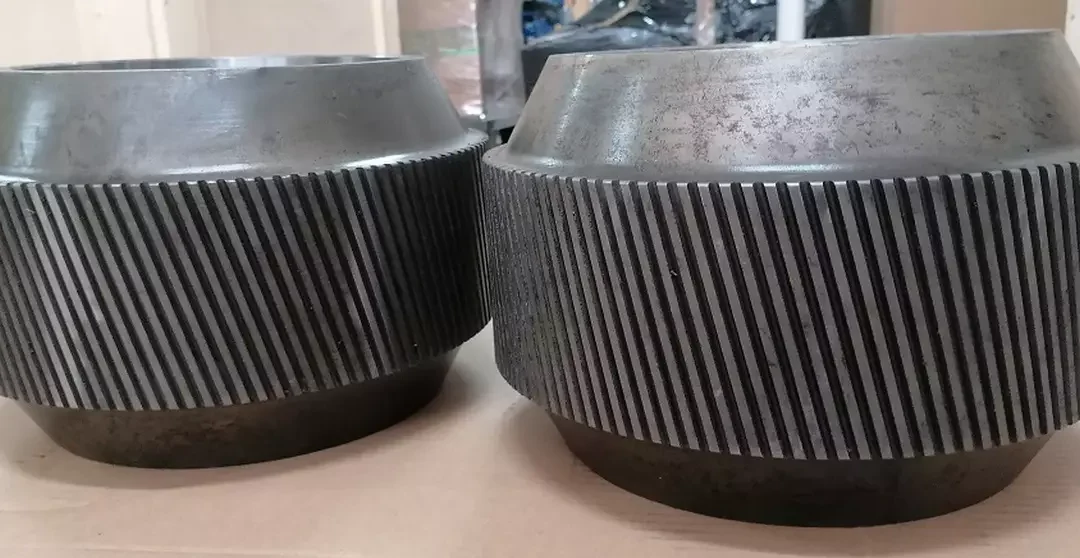
Due to its high calorific value, natural origin, and convenient form, wood pellet is currently a very popular fuel. The small granules allow for the use of large fuel hoppers and automatic feeders that deliver precisely measured doses directly to the burner. The cohesiveness of the granules, resulting from the production technology used, prevents them from crumbling, thereby avoiding unnecessary waste. The quality and durability of the pellet largely depend on the appropriately selected rollers and dies used in the granulator. Let’s explore their role and see what factors influence their wear and tear.
How do granulator rollers and dies work?
Pellet production is made possible by specialized production lines consisting of interconnected devices responsible for cleaning, shredding, and finally forming the material into a durable shape of small cylinders. One of the most critical stages of production is obtaining high-quality granules, which is achieved through the use of an appropriate die and its cooperating rollers. The die is an component somewhat resembling a sieve, featuring holes into which the shredded mass is fed. Thanks to the elevated temperature—which releases natural substances acting as a binder—and the pressure generated by adding subsequent batches of material into the die, the pellet gains its required shape and cohesiveness. The material enters the die channels through the action of rotating rollers that “force” it into the holes.
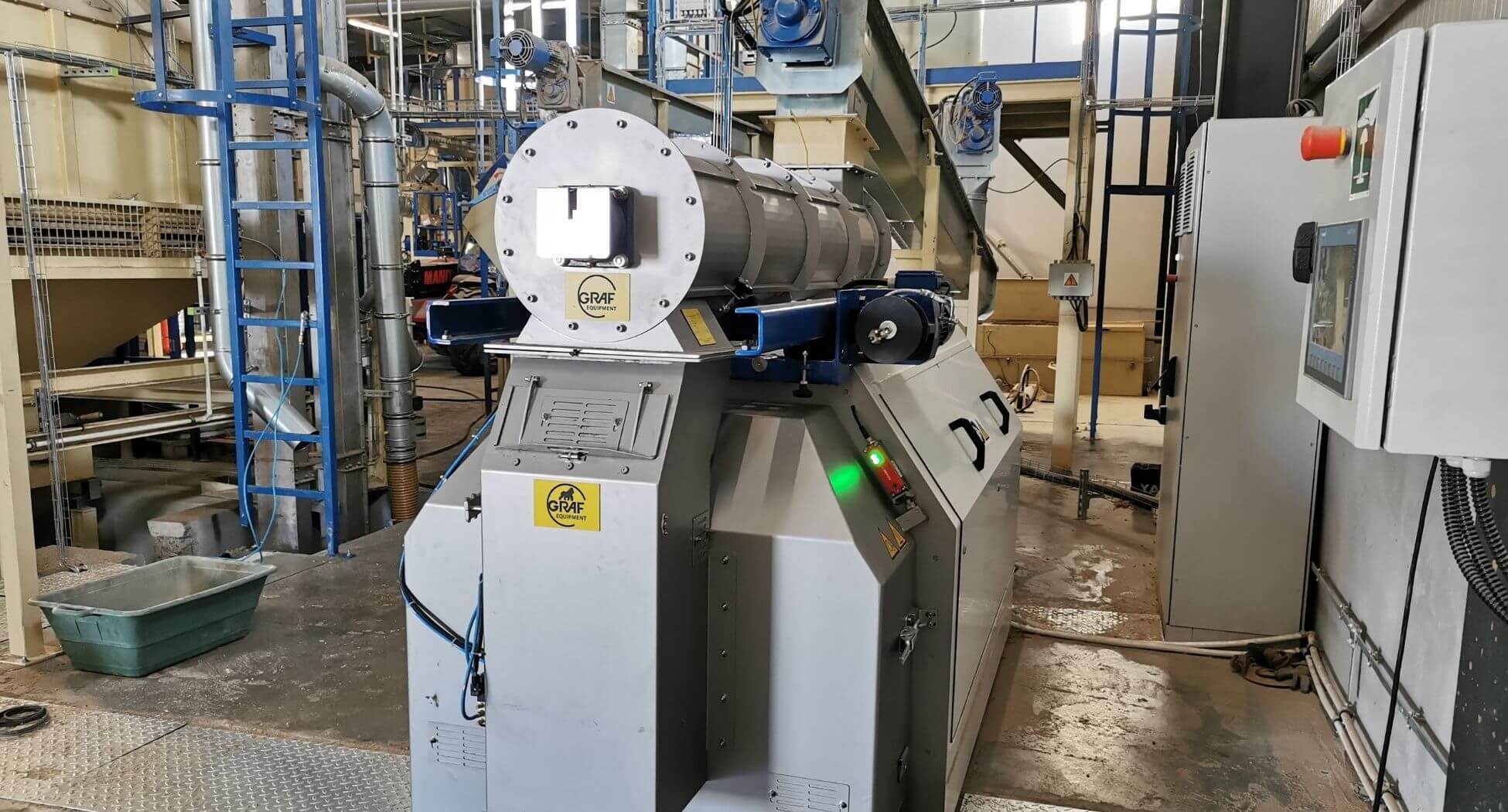
What shortens the lifespan of rollers and dies?
Rollers and dies are consumable parts of granulators and undergo natural wear and tear over time. To ensure proper product parameters and adequate durability, they must be well-matched to the type of material from which the pellet is made. Factors that reduce their durability include contaminants entering the granulator and incorrect spacing between individual components. Improper moisture levels—whether too high or too low—as well as inadequate shredding of the material can also pose serious problems.