Drum and belt dryers are the devices most commonly used for drying biomass used in pellet production. If you are planning to launch a pellet production line, especially from wet wood biomass, one of these devices will certainly be a necessary element of the technological line. Read the following article, and it will be easier for you to make a choice between the two types of dryers.
What characterizes drum dryers?
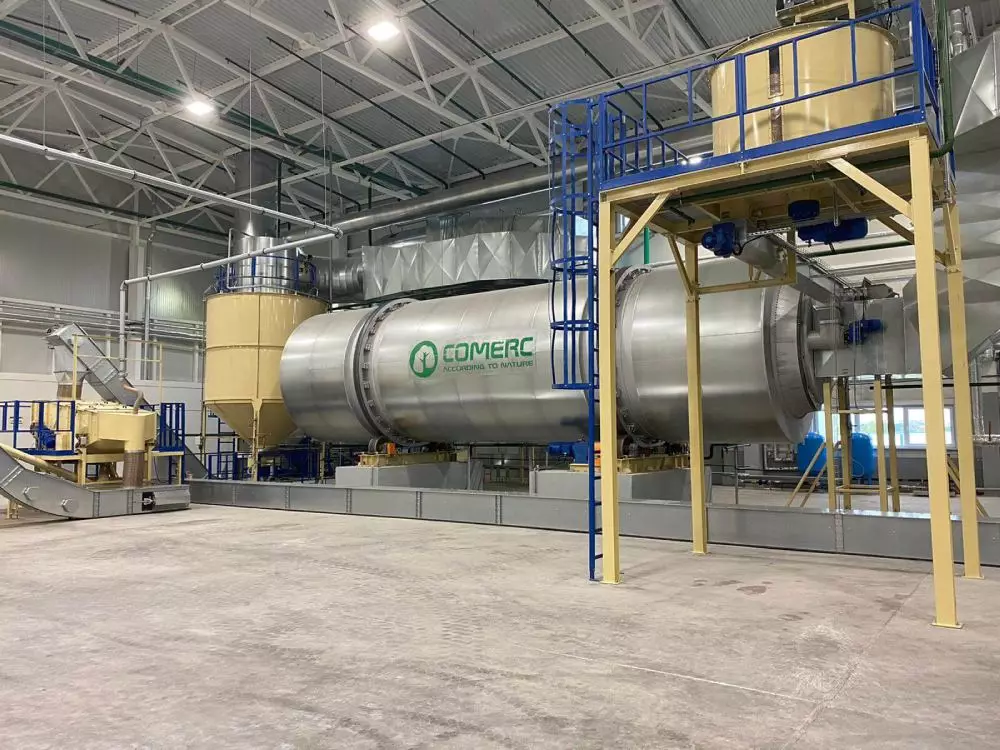
Most drum dryers are dependent on the planned capacity of the line. The two fundamental parts of a drum dryer are the drum itself and the heat generator. The size of the drums for individual models ranges from 4 to 12 meters. The temperature inside the dryer usually exceeds 350°C. Drum dryers are typically equipped with many additional systems, for example, a material moisture control system, a system to prevent material overdrying, and an exhaust gas cleaning system. A fire protection system is also frequently used. Many modern drum dryers are characterized by high efficiency. Some models can process as much as 15 tons of material per hour.
Specifics of belt dryers
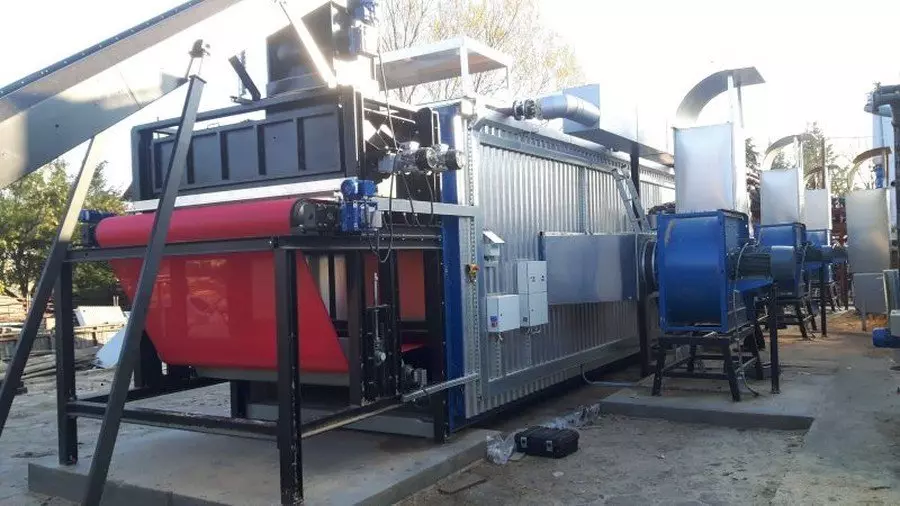
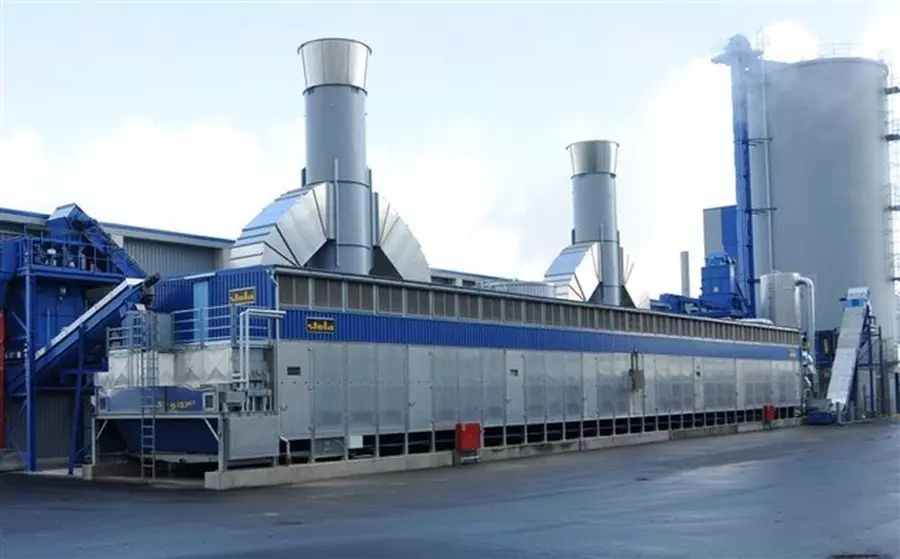
Belt dryers, in turn, are based on the operation of a durable and high-temperature resistant belt that moves on special rollers. They are suitable for drying similar materials to those dried in drum dryers. The material in a belt dryer is subjected to a temperature of approximately 100°C. The drying agent here is hot water, heating fluid, or hot air.
Rapid evaporation of moisture from the material is ensured by perforations in the belt and exhaust fans. Belt dryers take up more space than drum dryers, so they are intended for large production plants. The most important criterion for choosing a dryer should be the temperature required by a given material.