
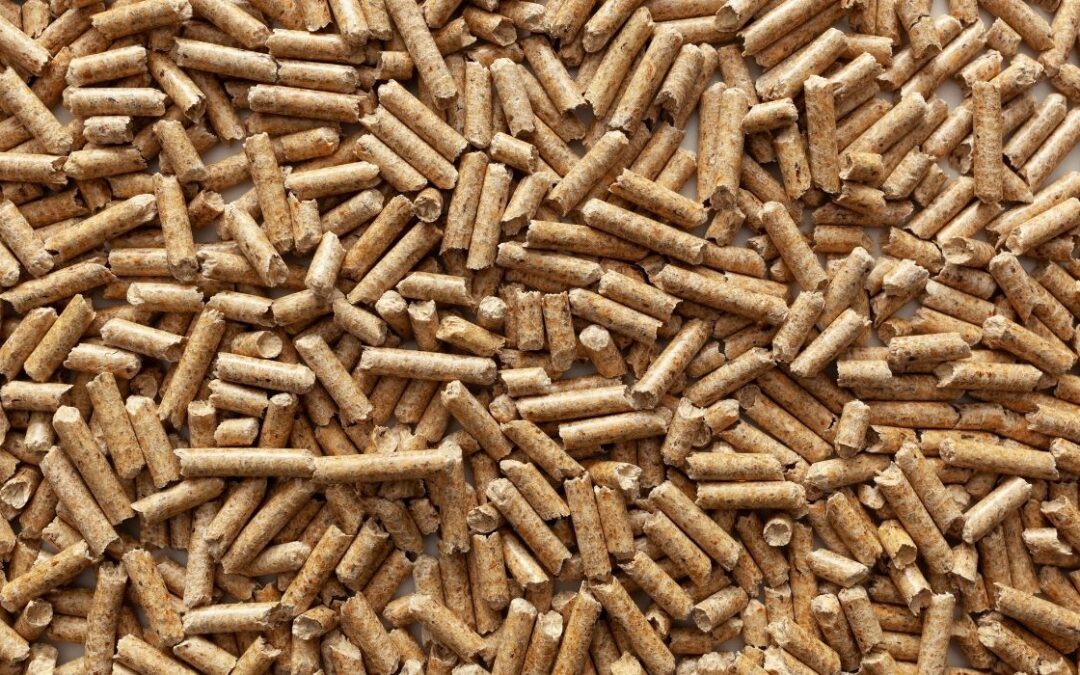
Over recent years, there has been a significant surge in interest regarding the use of pellet as a heating fuel. Not only are they highly efficient, but they are also environmentally friendly, emitting substantially less sulfur dioxide compared to traditional coal. This premium biofuel is sourced from secondary raw materials, predominantly sawmill by-products such as wood sawdust. The rapidly growing popularity of wood pellets is opening the market to new investments, while simultaneously demanding that manufacturers maintain meticulous production standards and deliver a product of competitive, uncompromising quality.
Key Stages of Pellet Production
Regardless of the specific technology utilized to produce this high-calorific fuel, the pellet manufacturing process generally consists of several fundamental stages:
- Drying
- Cleaning
- Pressing (Pelleting)
- Cooling
Each of these operational stages inherently increases the temperature of the processed material. Following the drying and cleaning phases, the biomass is already heated and softened before it even enters the pellet press. Inside the press, granulation occurs as the material is forced under high pressure through a specialized die. The immense friction of this process leaves the freshly extruded pellets far too hot for safe storage or adequate physical resistance. Therefore, it is absolutely crucial not to overlook the subsequent cooling step—an often-underestimated phase. The hot product must be immediately transferred to a pellet cooler, where it is efficiently brought down to ambient room temperature. This vital process hardens the pellets, ensuring their structural integrity and long-term durability. Furthermore, proper thermal stabilization of the granulate is a key factor in cost-effective manufacturing; it protects producers from the substantial material losses associated with handling and storing warm, brittle, and easily degradable pellet.
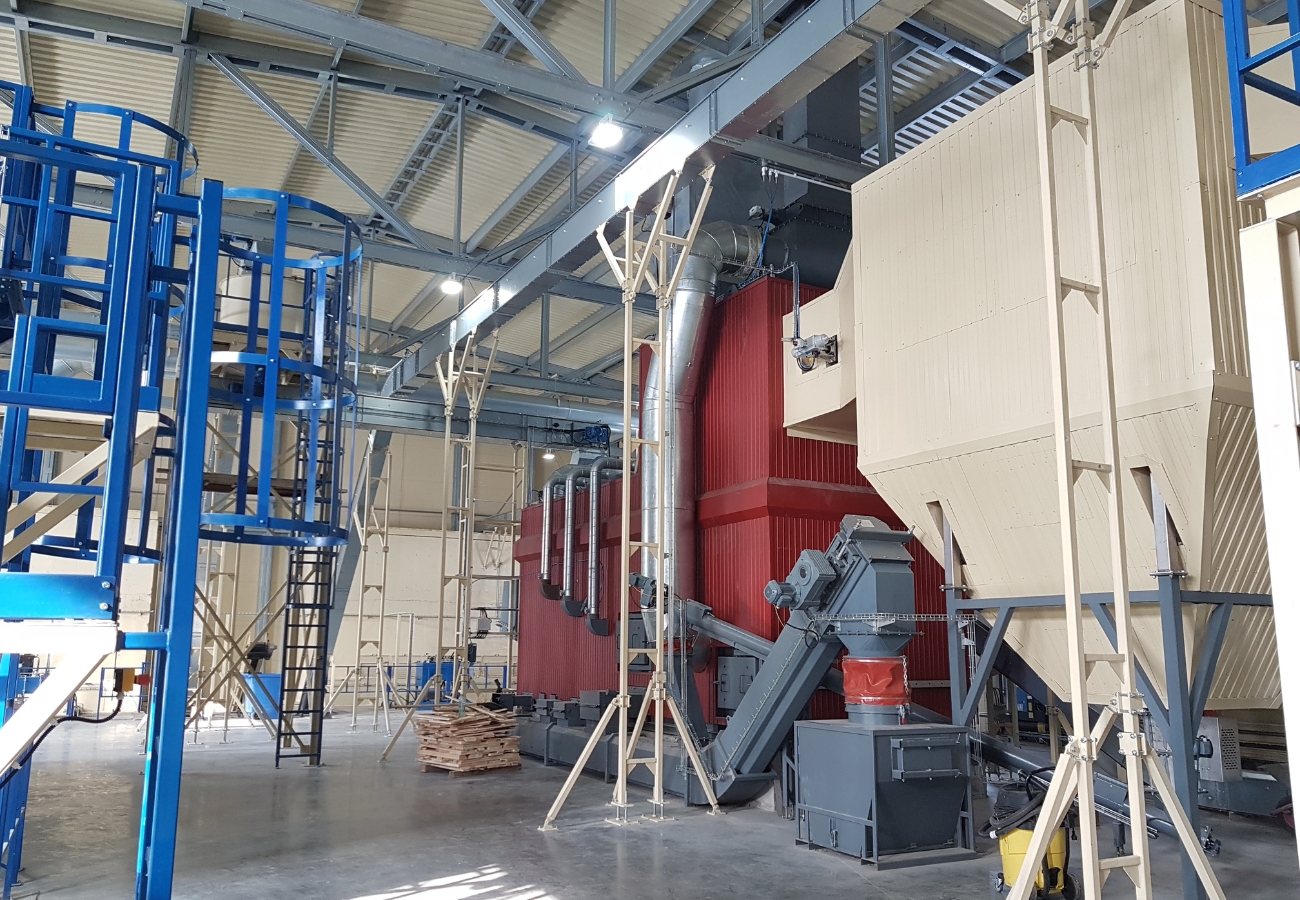
Why is Cooling Crucial for Pellet Quality?
The cooling process effectively reduces the moisture content within the raw material, which was a necessary component during the earlier production phases. This reduction leads to a higher concentration of mass and energy density, directly enhancing the fuel’s overall efficiency and its resilience against external environmental factors. These characteristics are especially beneficial during transportation and storage.
Alternative methods for dissipating heat from pellets simply cannot match the efficiency and optimal results provided by dedicated pellet coolers. Most importantly, passive cooling methods are time-consuming, which negatively impacts the structural integrity of the final product—pellet that retain heat for extended periods lose their durability. If inadequately cooled pellet is transferred to storage facilities, they become susceptible to structural degradation, including crumbling and dust generation.
The Benefits of Pellet Cooling
The cooling process significantly impacts the final quality of the fuel. Given the current surge in market demand for pellet, prioritizing this stage is absolutely crucial for manufacturers. High-quality cooling delivers value that not only attracts customers but also directly improves the company’s operational efficiency.
The most critical advantages of this process include:
- Enhanced pellet durability;
- Significant reduction in dust generation during transportation and storage;
- Accelerated overall production cycles;
- Structural stabilization of the granulate;
- Increased manufacturing efficiency and yield;
- Superior resistance to external environmental factors;
- Protection against deformation – effectively binding particles into a robust structure that safeguards the pellet. This structural stability also provides enhanced fire resistance;
- Prevention of financial losses associated with damaged or degraded pellet.