

Today’s heating market offers a wide array of fuel options, ranging from traditional coal and firewood to natural gas and eco-pea coal. However, biomass pellets have rapidly emerged as a highly efficient and exceptionally eco-friendly modern alternative. Thanks to its outstanding thermal properties and minimal environmental impact, this sustainable fuel source is gaining massive global traction. Driven by these undeniable advantages, a rapidly growing number of environmentally conscious consumers and businesses across Europe are now confidently making the switch to pellet heating.
What is pellet?
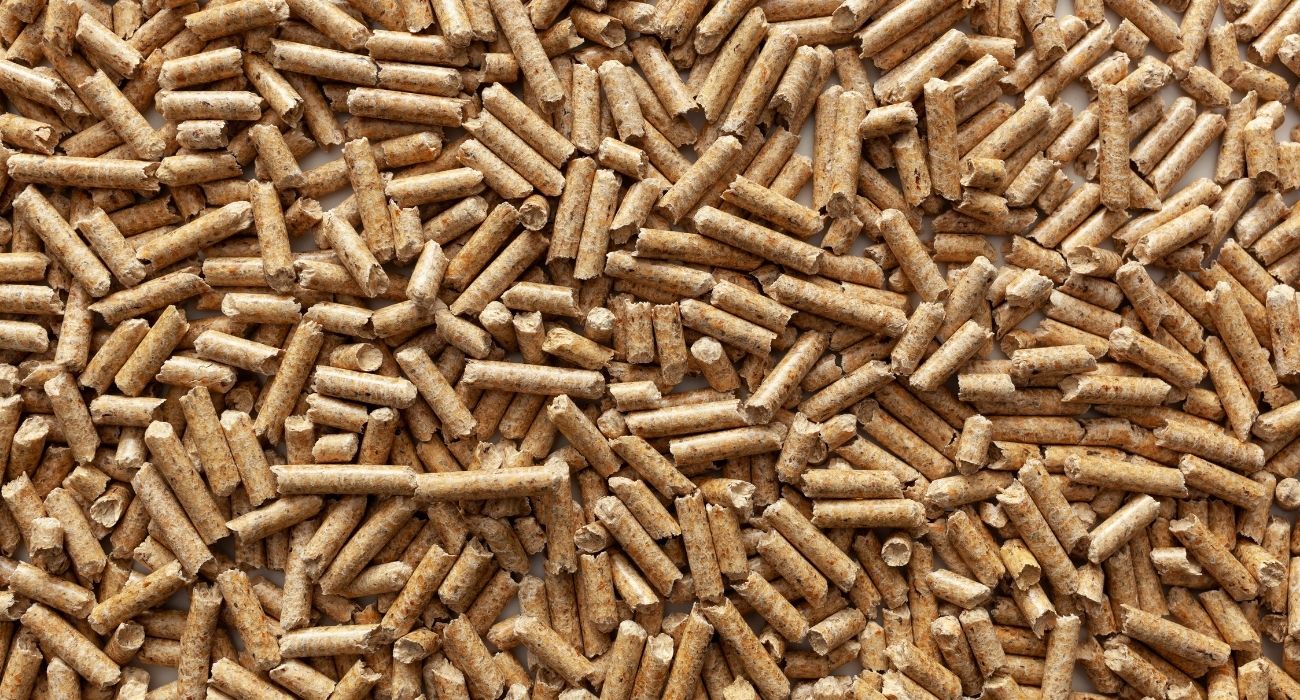
Pellet is a highly efficient solid fuel primarily derived from wood residues—including both hardwood and softwood sawdust and wood chips—as well as purpose-grown energy crops and agricultural by-products like straw. In simple terms, the manufacturing process involves meticulously cleaning, drying, and milling the raw material before extruding it under high pressure. This advanced process yields dense, compact granules that offer incredible versatility. These premium pellets are perfectly suited for a wide range of applications, from fueling domestic stoves and residential fireplaces to efficiently heating massive industrial facilities, and even powering other machinery through advanced combustion systems.
Why is pellet such an ecological fuel?
Using pellet as a heating material is extremely ecological for several reasons:
- The amount of ash generated during combustion is significantly lower—often just a fraction of the residue left behind by traditional heating fuels.
- Low emissions of harmful exhaust gases, including sulfur oxides (SOx), nitrogen oxides (NOx), carbon dioxide (CO2), and particulate matter. In fact, burning this premium biofuel is widely recognized as a carbon-neutral process; the greenhouse gases released during combustion perfectly offset the carbon the plants naturally absorbed from the atmosphere during their growth.
- High calorific value of this fuel ensures maximum thermal efficiency, meaning significantly less fuel is required to achieve excellent heating results.
- Renewability of the raw material – pellet is a renewable fuel, it is made from various plants, including most often wood waste.
- Independence from the fuel supplier – we are not exposed to interruptions in deliveries, often associated with gas or electricity.