
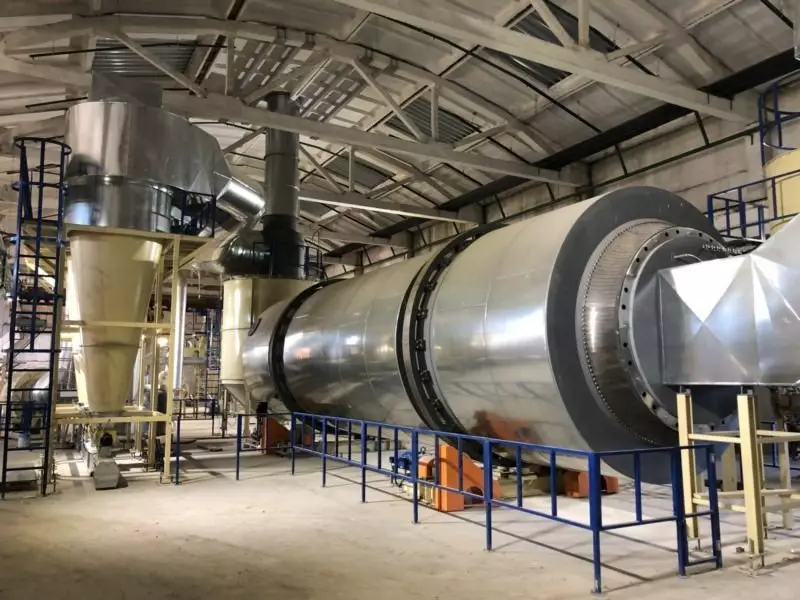
Sawdust is the most popular type of biomass utilized in wood pellet manufacturing. However, to ensure high-quality output, it requires meticulous preparation during the initial stages of the production process. This involves thoroughly cleaning the raw material, milling it into a consistent fraction, and carefully drying it to achieve a specific, target moisture content. The biomass drying process takes place in specialized industrial equipment—primarily rotary drum dryers. These advanced systems guarantee the optimal preparation of the sawdust, making it perfectly ready for the subsequent stages of production.
The Sawdust Drying Process
As a crucial initial step in wood pellet manufacturing, raw sawdust must be thoroughly dried. To achieve this, the material is fed into a drying chamber where it is exposed to powerful streams of forced hot air, officially initiating the drying phase. The duration of the entire drying cycle can vary, depending heavily on the initial moisture content of the raw sawdust and the specific type of drying equipment utilized. Once the process is complete and the sawdust reaches the precise target moisture level, it is conveyed into a storage bin, where it awaits the subsequent stages of the technological process.
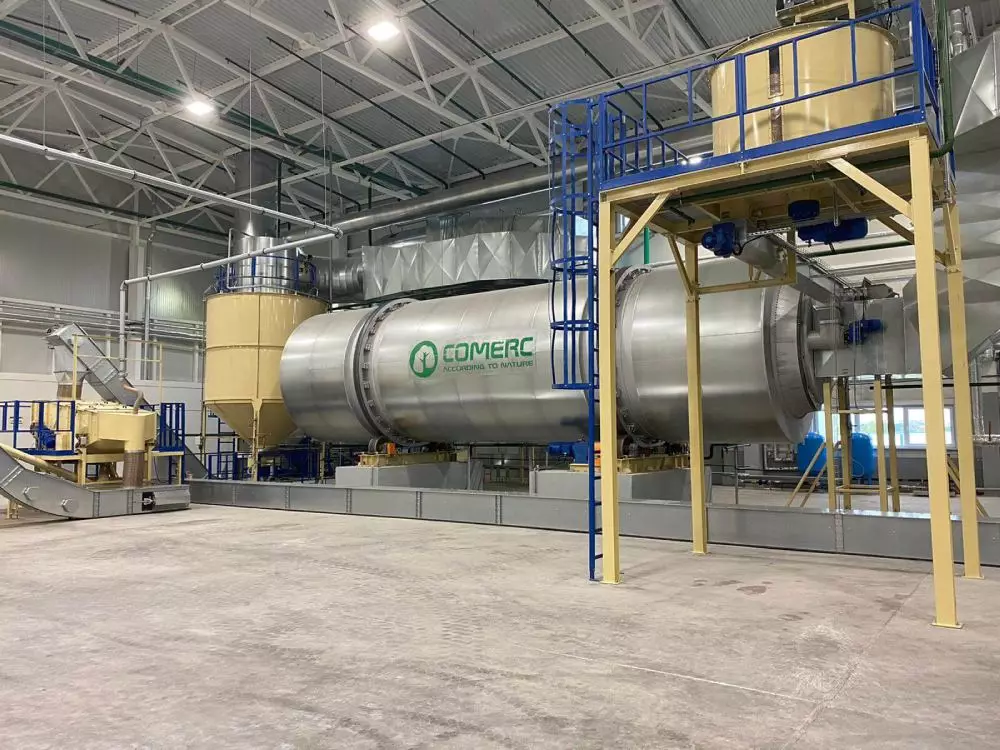
Drum Dryers
Drum dryers are among the most widely utilized drying solutions in the industry. They offer highly scalable throughput capacities, reaching up to 15 tons per hour (t/h). These highly versatile systems are capable of efficiently processing both high-moisture raw materials and considerably drier feedstocks. When drying sawdust in a drum dryer, maintaining maximum operational safety is paramount. Therefore, top-tier models are equipped with advanced safety mechanisms that significantly mitigate fire risks. This includes features such as automated reduction of the drying agent’s temperature or the implementation of specialized shut-off valves to instantly cut off its inflow in case of emergencies. The industry’s best drum dryers feature comprehensive, integrated systems designed to ensure not only uncompromising safety but also vastly enhanced operational efficiency.
Belt Dryers
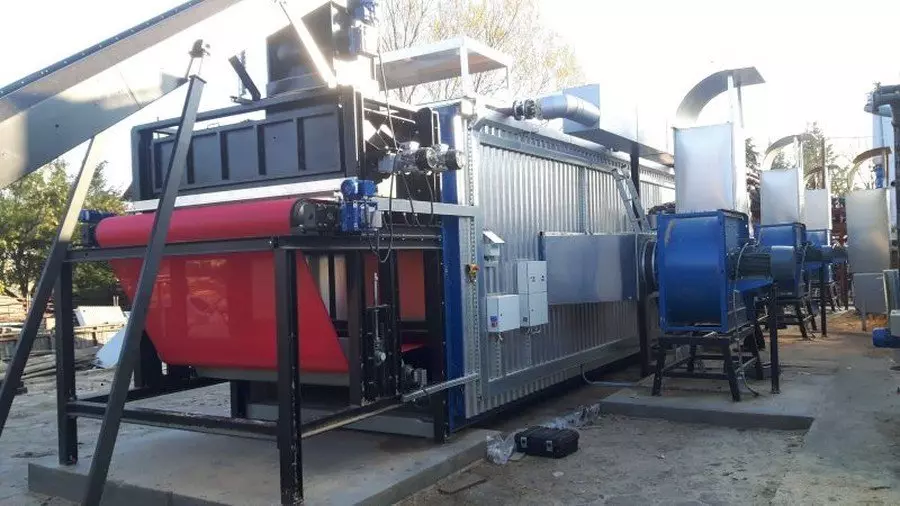
Belt dryers can achieve efficiency comparable to drum dryers. Their defining characteristic, however, is a significantly lower drying temperature. The heating medium utilized also differs. While they can operate using forced hot air like drum dryers, belt systems frequently employ hot water at 90°C or specialized thermal fluids reaching temperatures up to 120°C. The maximum operating temperature ultimately depends on the material properties of the conveyor belt installed in the system.
Choosing the optimal dryer depends entirely on your specific production requirements and the technical capabilities of your facility’s location. It is highly recommended to explore all available solutions to perfectly tailor the drying equipment to your operational needs.