
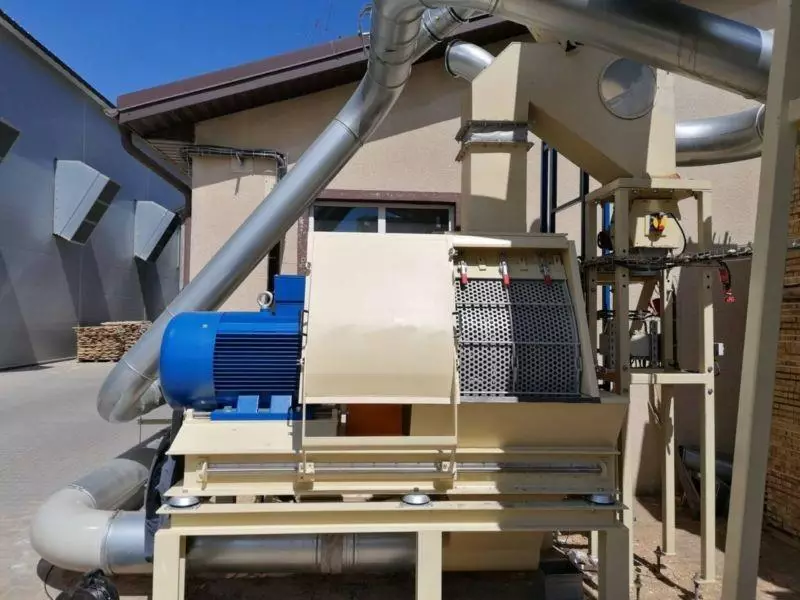
In an era of growing environmental awareness and the search for alternative energy sources, more and more people are choosing to use biomass as an energy fuel. In this context, hammer mills are gaining popularity, especially among small farm owners. Why is it worth investing in such a device, and what are the benefits of using it? We present the answers to these questions in this article.
How do hammer mills work?
Hammer mills are machines used for grinding various materials, such as wood, straw, or other plant waste. They operate on the principle of hammers striking the material, which causes it to break down into smaller pieces. In the case of sawdust mills, their main task is to transform the raw material into a finer form, which can then be used for the production of, for example, pellets. Pellets, in turn, are a solid fuel produced by compressing biomass under high pressure.
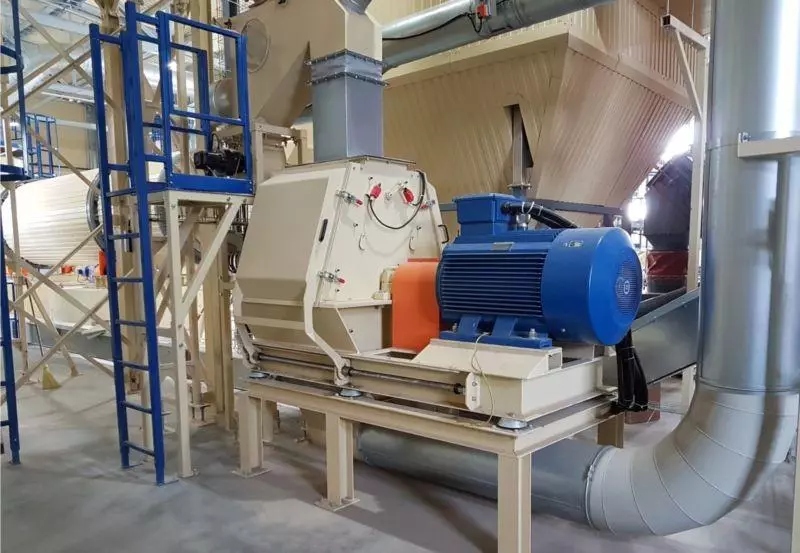
Benefits of Using Hammer Mills for Sawdust and Pellets
Small farm owners can reap many benefits from investing in hammer mills for sawdust and pellets. First and foremost, it allows for the effective utilization of plant waste and wood, which are often problematic to manage on a farm. Instead of disposing of them, they can be transformed into a valuable energy resource.
Another advantage is financial savings. Producing your own pellets allows for a significant reduction in heating costs for farm buildings or residential homes. Furthermore, producing pellets for personal use can also become a source of additional income if you decide to sell the surplus fuel.
The Eco-friendliness of Hammer Mills
Hammer mills for sawdust and pellets are also beneficial from an ecological perspective. Using biomass as an energy source contributes to the reduction of carbon dioxide emissions and other harmful substances generated during the combustion of fossil fuels. In this way, you can contribute to environmental protection and minimize the negative impact of your own—even small-scale—farm on the surroundings.