
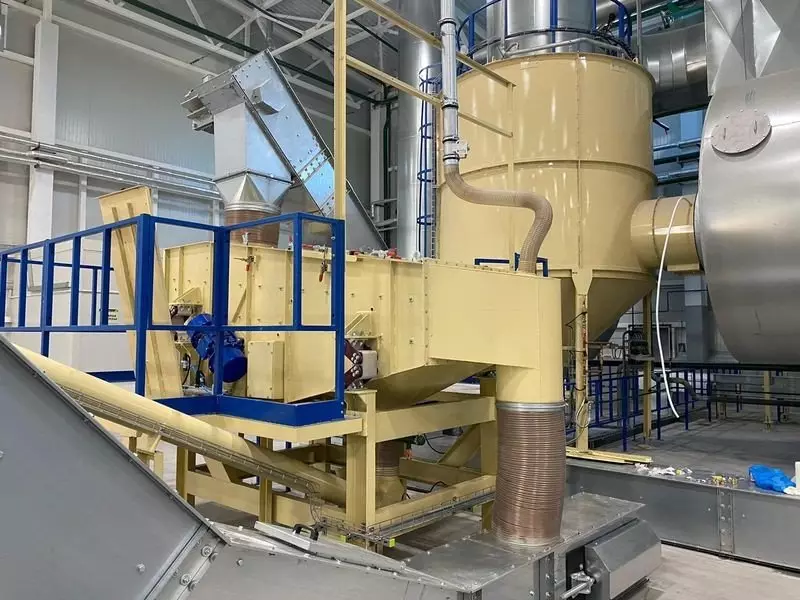
The process of screening bulk products involves separating grains of different sizes, shapes, and properties to obtain a homogeneous material with specific parameters. Screening accuracy is essential for maintaining high product quality and the efficiency of production processes. In this article, we present the factors affecting the accuracy of bulk product screening, with a particular focus on the type of screen used.
Type of Screen
Various types of screening machines are available on the market, differing in design, operating principle, and efficiency. Selecting the right device is crucial for achieving the desired screening accuracy. The most popular types include vibrating screens, drum screens, slotted screens, and pneumatic screens.
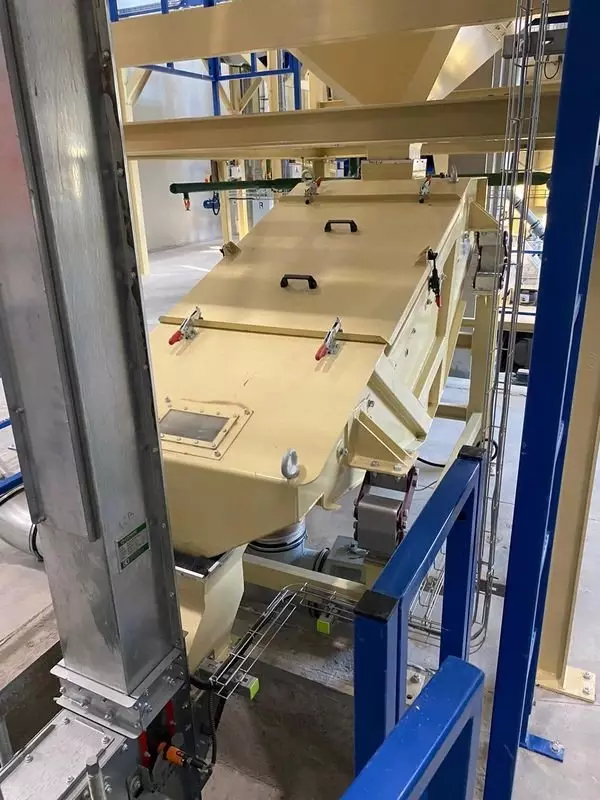
For instance, vibrating screens utilize mechanical vibrations to sift material through screens with appropriate mesh sizes. This results in high screening accuracy and high throughput. Drum screens, on the other hand, operate on the principle of a rotating drum equipped with screens of various mesh sizes. This type of screen is particularly useful for sifting materials with large variations in grain size.
Operating Parameters and Material Properties
The accuracy of screening bulk products also depends on the proper selection of the device’s operating parameters, such as vibration frequency, drum rotation speed, or air stream force. Inappropriate settings for these parameters can lead to reduced screening efficiency and deterioration of the final product quality.
Another factor influencing screening accuracy is the type of material being processed. Properties such as grain size and shape, moisture content, viscosity, and density have a significant impact on the screening process. Materials with large variations in grain size or irregular shapes can hinder the flow through the screens, leading to a decrease in screening effectiveness.