
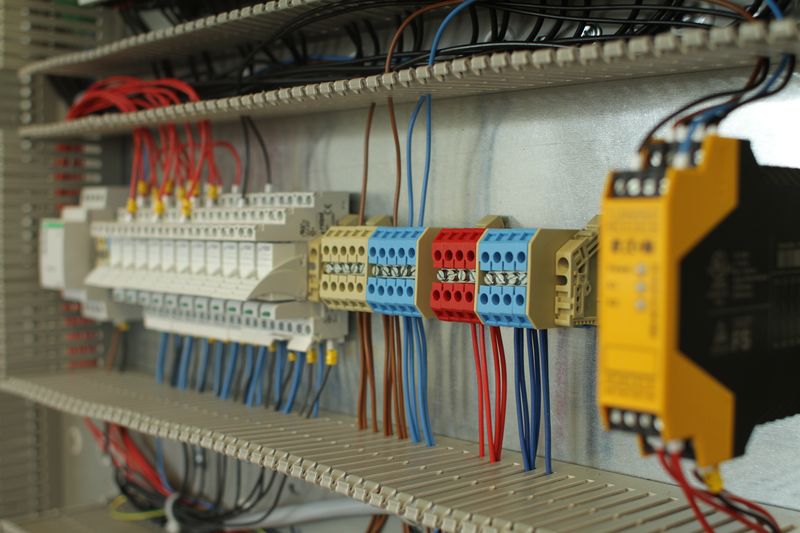
Any company that wants to achieve and maintain high profitability should invest in expanding its machinery, automating and modernizing technological processes, as well as developing its workforce. Entrepreneurs who are aware of today’s economic dynamics track technological innovations and competitor activities to maintain their market position. In the case of manufacturing plants, one of the most common steps taken is the modernization of the production line. In which situations is it particularly recommended?
Production efficiency depends on several factors, including employee qualifications and experience, the raw materials used, and the machinery and equipment employed in production. Even the best team of employees will not achieve satisfactory results without the right tools. Outdated, failure-prone machines that continue to cause problems despite repairs and maintenance are the primary reason to opt for a production line modernization.
However, the issue may lie within the equipment models or control systems themselves. Modernization is also advisable when a functional production line no longer meets current standards. This occurs, for example, when new regulations concerning industrial waste take effect, or when competitors have already implemented modern control systems, additional production lines, and machinery with innovative features that consume less energy or simply operate more efficiently. For companies with wood waste at their disposal, installing a modern pellet production line is an excellent way to expand their business.
What does production line modernization involve?
Modernization usually involves replacing selected components or expanding the functionality of existing machinery and equipment. When undertaking modernization, it is a good idea to consider whether it might be worth taking a few additional steps right away, such as automating production or the packaging process of the final product.