
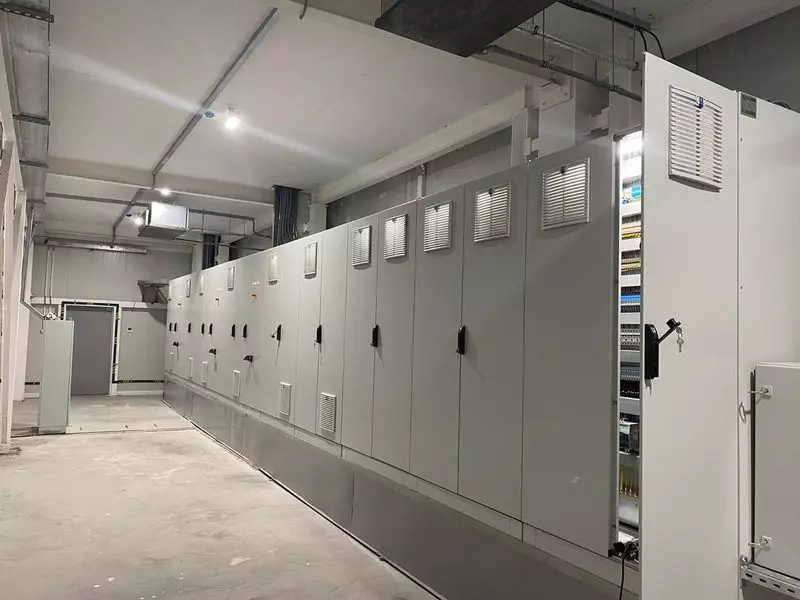
Industrial automation is of immense importance in many technological processes. It streamlines all stages of production, increasing the efficiency and profitability of business operations. Control cabinets are essential components when implementing industrial automation systems. What purpose do these cabinets serve?
Industrial automation enables the monitoring, steering, and control of all production processes. It involves, among other things, collecting data from devices and diagnosing emerging problems in real-time, as well as providing the ability to change production parameters at any stage and inspect the quality of finished products. Industrial automation allows for highly precise, failure-free, and nearly maintenance-free production. Thanks to it, human involvement is reduced to the necessary minimum and primarily consists of operating the control devices.
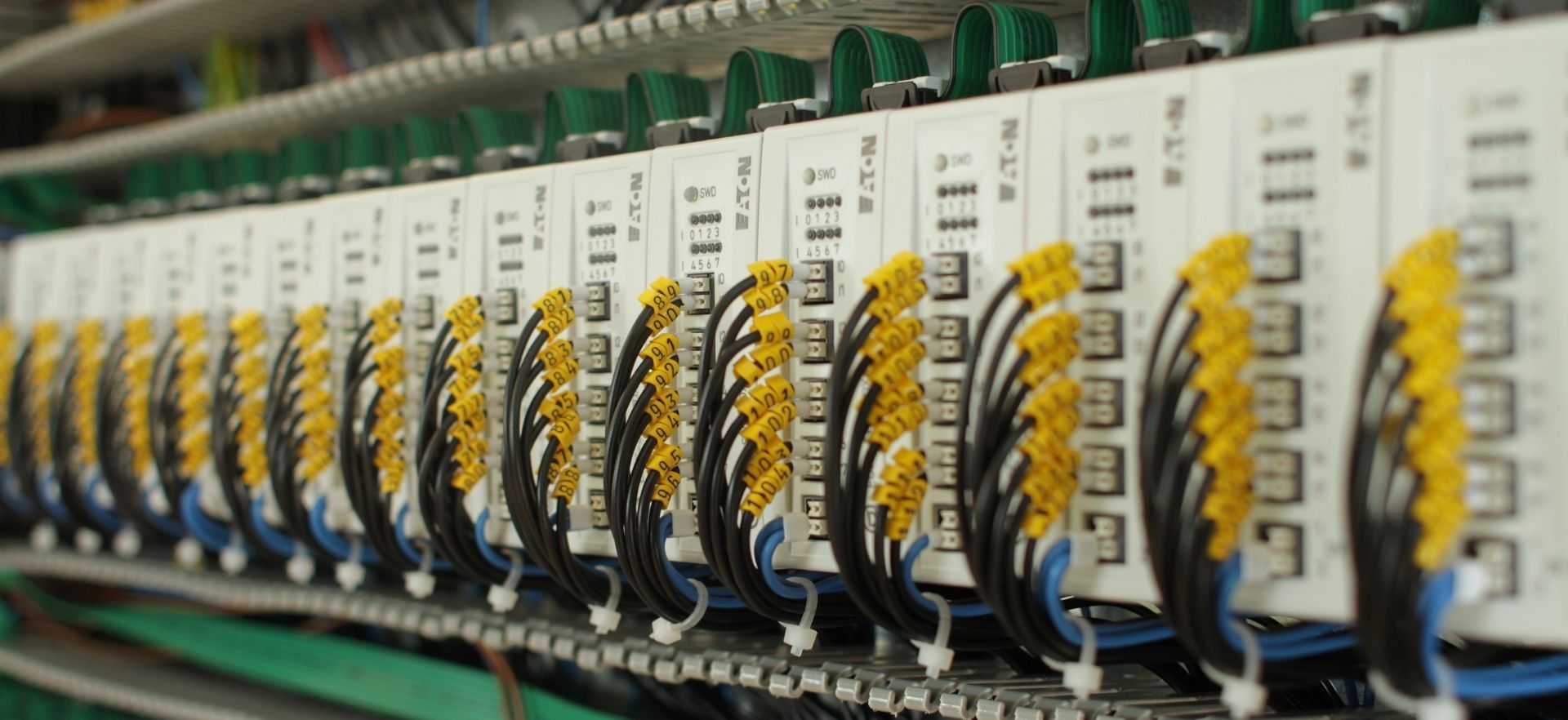
How is a control cabinet constructed?
Devices used for control require installation in proper, safe places and adequate protection against moisture and unauthorized interference. Control cabinets fulfill this task. They have a sealed enclosure and a frame construction that allows for expansion when needed. They are most often made of metal, less frequently of plastics. They consist of a body with a back panel, a cable gland plate, a mounting plate, mounting rails, and doors closed with a combination lock, a padlock, or a special lock cylinder. They are designed for the installation of electrical components for control, signaling, measurement, regulation, and protection.
To ensure appropriate conditions for the devices, heating or cooling systems can be installed in the cabinets. Modern cabinets are durable and resistant to corrosion and mechanical damage. Furthermore, they feature intuitive navigation panels, making their operation simple. Their assembly requires extensive electrical knowledge and compliance with current standards and legal regulations. Therefore, it is worth entrusting this task to specialists.