
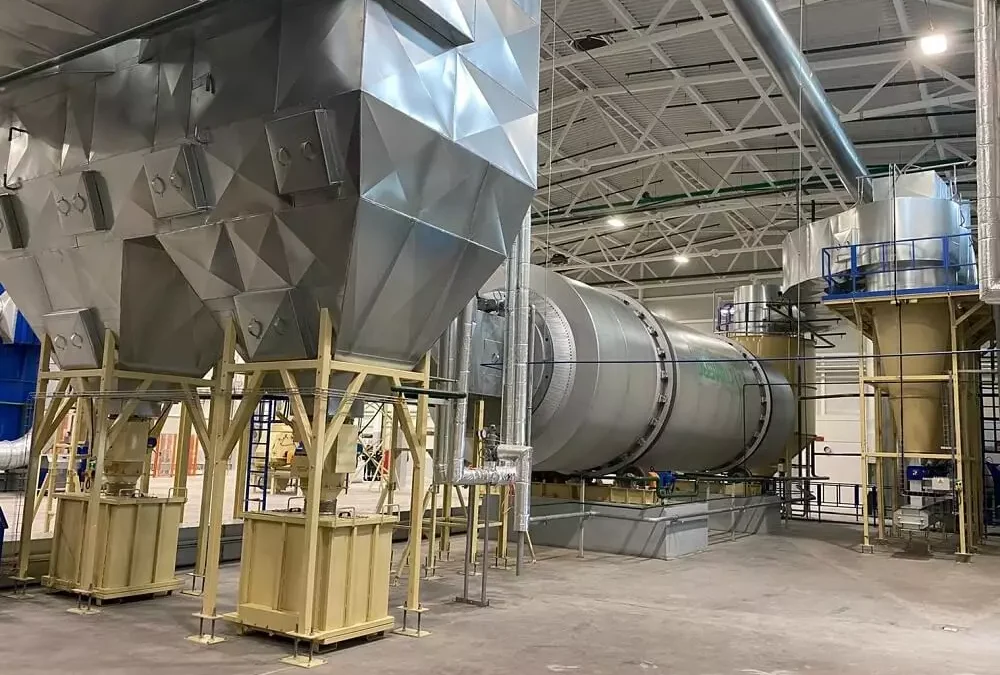
Rising air pollution and the systematically increasing impact of coal mining on the natural environment are encouraging a growing number of heating equipment users to take an interest in using alternative energy sources. Among the most popular solutions is switching to pellet, which proves to be an equally high-calorie, often cheaper, and—most importantly—ecological fuel. Entrepreneurs who have access to wood resources should therefore consider purchasing a pellet production line. Let’s find out why this can turn out to be an excellent investment.
Pellet as a heating material
Wood pellet can be produced from wood in various forms. This includes using material from plantations, as well as sawmill waste and residues from processing in carpentries, wood-based product factories, or the furniture industry. What is also worth remembering, is the high energy value of pellet, which makes using it very cost-effective. For many buyers, ecological issues are also significant. Wood is a renewable resource, so pellet is classified as a RES (Renewable Energy Source). It is also noteworthy that its combustion does not produce harmful dust or dangerous sulfur compounds.
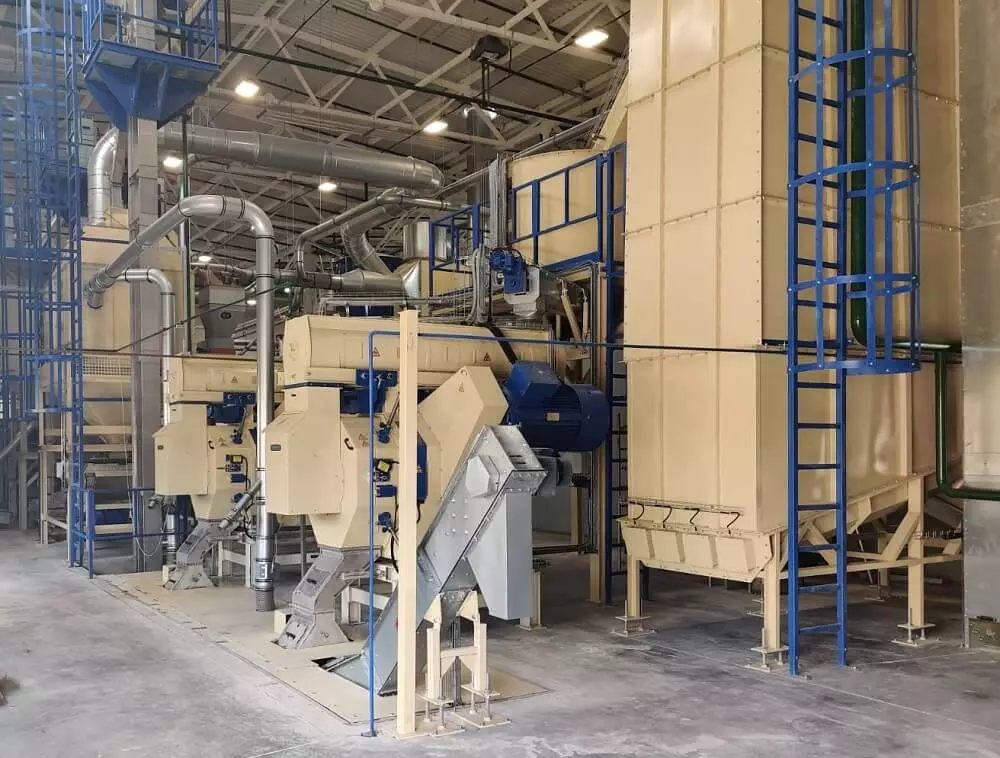
Using pellet and boiler operation comfort
In addition to its ecological and economic benefits, pellet is also a heat source that proves to be very convenient to use. Pellet boilers are equipped with fuel hoppers and computer-controlled feeders. Consequently, the user only needs to replenish the supply every few days—or during the off-season, even every dozen or so days. Pellet produces practically no dust during combustion; a pleasant smell of wood fills the boiler room and, most importantly, there is no soot. Due to the small amount of ash produced, visits to the boiler room can be reduced to an absolute minimum. It is also worth remembering that installing a pellet boiler instead of a coal boiler does not require a significant overhaul of the central heating system, which would be unavoidable when switching to other types of heating devices.